
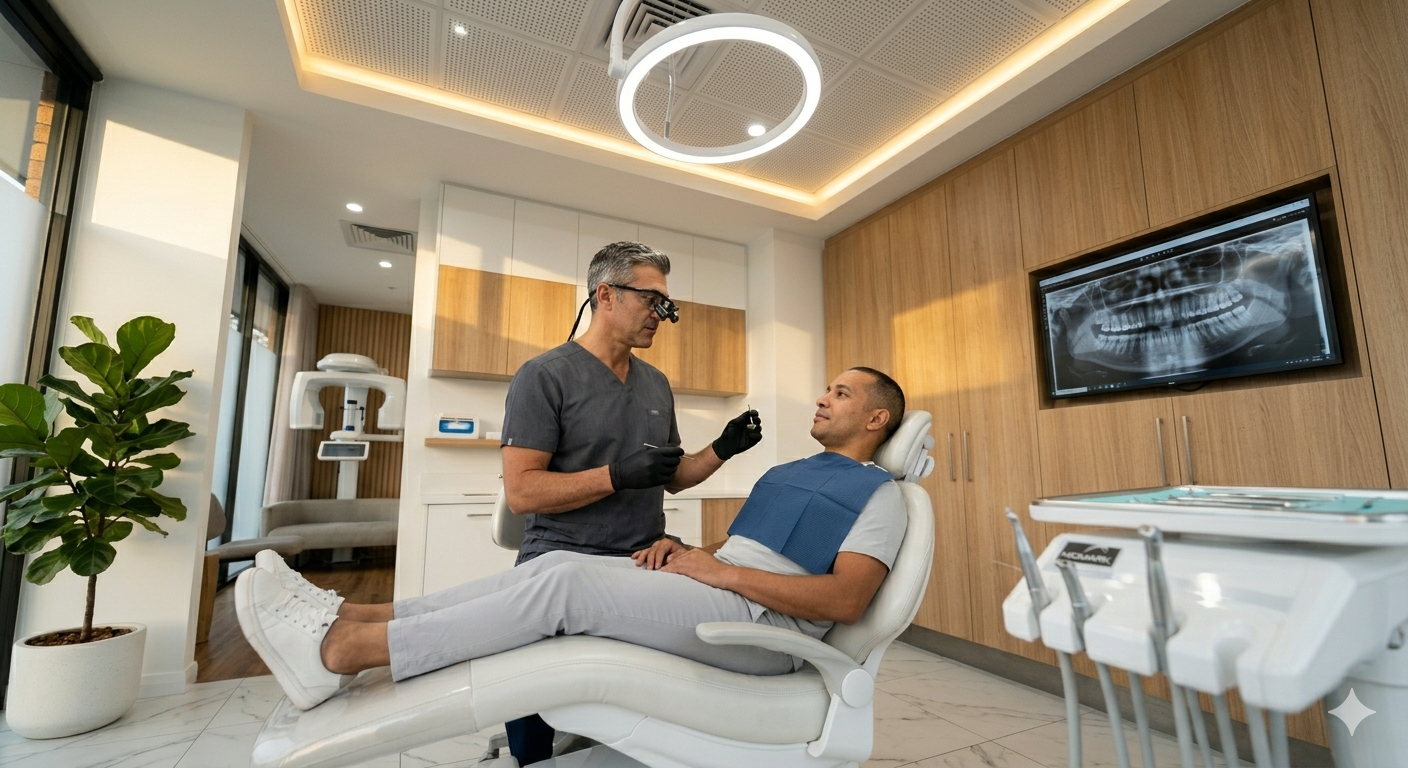
When dental emergencies strike, knowing where to turn quickly can make all the difference. In Los Angeles, CA, an emergency dentist is ready to provide fast, effective care for issues like severe tooth pain, broken teeth, or sudden swelling. An emergency dentist in Los Angeles offers same-day appointments and treatments designed to relieve pain and prevent further damage.
Whether it’s a weekend, evening, or holiday, these dental professionals understand that urgent problems don’t wait for regular office hours. They use modern tools and techniques to help patients feel calm and comfortable while addressing their immediate needs.
Finding a trusted emergency dentist nearby ensures help is available when it matters most. People are encouraged to keep contact information handy and reach out as soon as a dental emergency arises to get the care needed promptly.
Common Dental Emergencies
Dental emergencies can happen suddenly, causing pain and stress. Knowing how to recognize and respond to these situations helps protect teeth and reduce discomfort until professional care is available.
Toothaches and Abscesses
Toothaches are one of the most frequent dental emergencies, often signaling infection or decay. The pain may be sharp, throbbing, or constant, and an abscess can form, causing swelling and tenderness around the tooth or gums.
If a toothache is intense or accompanied by fever, swelling, or difficulty swallowing, it requires immediate dental attention. Rinsing with warm salt water and taking over-the-counter pain relievers may ease symptoms. Avoid putting aspirin directly on the gum, as this can cause irritation.
Broken or Chipped Teeth
A broken or chipped tooth usually results from injury, biting hard objects, or decay weakening the tooth. Sharp edges can cut the inside of the mouth, so immediate care prevents further damage or infection.
Rinse the mouth gently with warm water, and apply pressure with a clean cloth to stop any bleeding. Save any broken pieces if possible. Dentists can often repair chips with bonding or crowns, depending on the severity, restoring both function and appearance.
Knocked-Out Teeth
A knocked-out tooth requires urgent action to save it. Time is critical; the tooth has the best chance of survival if reimplanted within an hour.
Handle the tooth by the crown (the part visible in the mouth), not the root. Rinse it gently if dirty, without scrubbing. Keep it moist by placing it in milk or inside the cheek. Immediate dental care is necessary to attempt reattachment.
Lost Fillings or Crowns
Fillings or crowns can dislodge due to decay or trauma, causing discomfort and sensitivity. Leaving a lost restoration untreated may expose the tooth to further damage.
Save the filling or crown if possible and rinse your mouth to clean the area. Over-the-counter dental cement can temporarily protect the tooth, but seeing a dentist quickly ensures proper repair and safeguards oral health.
What To Do Before You Reach the Dentist
Taking the right steps immediately after a dental emergency can reduce pain and prevent further damage. Simple actions like managing discomfort, controlling bleeding, and preserving a knocked-out tooth are crucial before professional care is available.
Immediate Relief Steps
If someone experiences sudden tooth pain, rinsing the mouth gently with warm water helps clear debris. Applying a cold compress to the cheek can reduce swelling and numb the area. Over-the-counter pain relievers such as ibuprofen may ease discomfort but avoid aspirin as it can increase bleeding.
Avoid placing aspirin directly on the gums or tooth. It can cause irritation or burns. Eating soft foods and avoiding extreme temperatures can also prevent aggravating the injury until dental care is accessed.
Tips to Stop Bleeding
For bleeding gums or oral wounds, gently apply firm pressure with a clean gauze or cloth. Hold the pressure for at least 10-15 minutes without peeking. If bleeding continues, replace with fresh gauze and keep pressure steady.
Slight bleeding after an injury is normal but excessive bleeding requires emergency attention. Avoid rinsing the mouth vigorously or using mouthwash as it can disrupt clot formation. Sitting upright rather than lying down helps reduce blood flow and swelling.
Safeguarding a Dislodged Tooth
A tooth that’s been knocked out should be handled carefully by the crown, not the root. If dirty, rinse it briefly with milk or saline solution, never tap or scrub it. The best chance to save the tooth is repositioning it in the socket quickly.
If that’s not possible, place the tooth in a small container with milk or in the mouth next to the cheek. Avoid storing it in water as it damages the root cells. Getting to the dentist within an hour greatly improves the chances of successful reimplantation.
Same-Day Care and Rapid Response
Emergency dental services in Los Angeles focus on quick action to address pain, trauma, and urgent dental issues. The goal is to provide timely relief and prevent complications by efficiently managing emergency dental visits.
How Emergency Appointments Work
Emergency dental clinics in Los Angeles usually offer same-day appointments, often prioritizing new patients with pressing dental problems. When a patient calls with an urgent issue, staff typically gather detailed information about symptoms and injury before scheduling the earliest possible slot.
Walk-ins may be accepted, but calling ahead increases the chance of immediate care. During the appointment, the dentist performs a fast but thorough exam, using X-rays or other diagnostics if needed. This allows them to diagnose and treat issues like infections, broken teeth, or severe pain without delay.
Prioritizing Immediate Needs
The first step in emergency care is identifying which dental issues require urgent attention to avoid worsening conditions. For example, uncontrolled bleeding, facial swelling, severe infection, or knocked-out teeth receive top priority.
Dentists assess the severity and focus on stabilizing the patient’s condition. They might perform procedures such as drainage, temporary restorations, or extractions to manage the emergency before planning further treatment.
By prioritizing the most critical needs, emergency care helps prevent complications and reduces the risk of chronic pain or damage.
Pain Management Options
Relieving pain quickly is a key part of emergency dental care. Dentists employ various methods depending on the cause and intensity of the pain.
Local anesthesia commonly numbs the area during procedures to control immediate discomfort. For ongoing pain, they may recommend or prescribe over-the-counter pain relievers or stronger medications as appropriate.
Cold compresses, saltwater rinses, and avoiding hard foods are also suggested to ease symptoms at home. The combined approach aims to keep patients comfortable while the underlying dental problem is treated.
Modern Approaches to Emergency Dental Treatments
Emergency dental care has evolved with techniques and tools designed to pinpoint issues quickly and ease patient discomfort. These improvements help dentists offer precise treatment while making the visit as stress-free as possible.
Advanced Technology in Diagnostics
Dentists now use digital X-rays and 3D cone beam imaging to get clear, detailed views of teeth and jaw structures. These technologies reduce exposure to radiation and speed up diagnosis compared to traditional methods.
In the emergency setting, this means faster identification of fractures, infections, or impacted teeth. Tools like intraoral cameras also help by providing real-time images inside the mouth, allowing both dentist and patient to see problem areas clearly.
Fast, accurate imaging leads to better treatment decisions and often avoids the need for repeat visits. It also helps dentists explain conditions so patients feel informed and involved in their care.
Gentle Techniques for Nervous Patients
Many emergency patients feel anxious, so dentists focus on gentle approaches to help reduce fear. Local anesthetics, including topical gels before injections, make numbing the area nearly painless.
Sedation options like nitrous oxide (laughing gas) or mild oral sedatives are common to keep patients calm during urgent procedures. Dentists also use slow, steady movements and explain each step to build trust and comfort.
By combining technology with compassionate care, emergency dentists aim to turn a scary experience into a manageable one, encouraging patients to seek help promptly rather than delay treatment.
Cost Considerations and Insurance
Emergency dental care costs vary depending on the treatment needed, the time of day, and whether insurance is used. Patients should understand common fees and what payment options may be available to handle unexpected expenses.
Understanding Emergency Fees
Emergency dental visits often come with a base fee that covers the urgent examination and initial treatment. This fee can range from $75 to $200, depending on the clinic and the time of service, such as nights or weekends. Additional procedures, like X-rays, tooth extractions, or root canals, will increase the total cost.
Some providers charge a separate “after-hours” emergency fee, which can add $50 to $150 to the bill. It’s important to ask about these potential costs upfront. Prices also vary by location—Los Angeles typically has higher rates compared to smaller cities.
Patients without insurance should expect to pay the full price at the time of treatment. Those with insurance should check if their plan covers emergency visits and what portion of costs they will be responsible for.
Payment Plans and Financing
Many emergency dentists offer payment plans that allow patients to spread out the cost over weeks or months. These plans often have low or no interest if paid within a set time frame. This can make urgent dental care more affordable without compromising timely treatment.
Some offices also accept third-party financing through companies like CareCredit, which provide flexible credit lines specifically for healthcare expenses. These options usually require a simple application and approval process.
Before agreeing to treatment, patients are encouraged to discuss available payment options with the front desk. Transparent communication helps avoid surprises and ensures that emergency care is manageable financially.
Prevention and Aftercare for Your Smile
Protecting your teeth after an emergency is crucial to avoid further issues. Adopting careful daily habits and regular checkups can keep your smile strong and prevent future dental problems.
Tips to Avoid Future Emergencies
Wearing a custom-fitted mouthguard during sports is one of the best ways to protect teeth from injury. Avoid chewing on hard items like ice or pens, which can crack or chip your teeth.
It’s also important to avoid using teeth as tools—for example, opening bottles or tearing packages—since this can cause unexpected damage. Staying mindful about these habits can significantly reduce the risk of sudden dental emergencies.
Regular checkups every six months help spot issues before they turn into emergencies. If pain or sensitivity appears, addressing it quickly can prevent it from becoming a crisis.
Long-Term Oral Health Strategies
Maintaining consistent oral hygiene is key for long-term dental health. Brushing twice daily with fluoride toothpaste and flossing once a day removes plaque and prevents decay.
Incorporating a balanced diet rich in calcium and vitamin D supports strong teeth and bones. Cutting back on sugary snacks reduces the risk of cavities.
Dentists may recommend sealants or fluoride treatments to strengthen enamel, especially for those prone to cavities. Routine visit follow-ups allow adjustments to your care plan, ensuring your smile stays healthy after an emergency.
Encouraging patients to ask questions and discuss concerns helps tailor prevention plans to individual needs, making care more effective.
How to Choose the Right Emergency Dental Provider
Finding an emergency dentist in Los Angeles requires careful attention to factors like availability, expertise, and patient comfort. Knowing what qualities matter and the right questions to ask can make a stressful situation much easier to handle.
Key Qualities to Look For
An emergency dental provider should offer prompt availability, ideally with same-day appointments or extended hours. This reduces pain and prevents complications from worsening. Look for dentists with experience handling a variety of emergencies such as toothaches, broken teeth, or lost fillings.
The office environment matters too. A friendly, calming staff helps reduce anxiety, and modern equipment supports efficient, effective treatment. Board certification and positive patient reviews signal reliability and skill. They should also communicate clearly about treatment options and costs upfront to avoid surprises.
Questions to Ask Before Your Visit
Before heading to a provider, verify their emergency hours and how quickly they can see new patients. Ask about the types of emergencies they handle to ensure they match your needs. Inquire about payment options and insurance acceptance because unexpected visits can be costly.
It’s helpful to know what initial steps to take before you arrive, like whether you should come in immediately or try pain relief at home first. Also, ask if they offer sedation or comfort options, especially if you’re nervous. This helps set expectations and prepares you for a smoother visit.
When to Visit an Emergency Room Instead
Sometimes, the situation goes beyond what an emergency dentist can handle. If a person experiences severe facial trauma, such as a broken jaw or deep cuts in the mouth, the emergency room (ER) is the best place to go. These injuries often require immediate medical attention beyond dental care.
Other reasons to choose the ER include:
- Uncontrolled bleeding that won’t stop after 15 minutes
- Signs of a serious infection with swelling spreading to the face or neck
- Difficulty breathing or swallowing due to dental pain or swelling
If someone has a knocked-out tooth, an emergency dentist is usually the right choice. But if this accident is part of a larger injury, like a car crash, they should head straight to the ER.
It’s also important to recognize emergencies that involve more than just teeth. For example, sudden jaw swelling with fever might signal a dangerous infection that needs hospital care.
In summary, the ER handles severe injuries and life-threatening issues, while emergency dentists focus on urgent but primarily dental problems. Knowing where to go can help get the right care quickly and comfortably.
Next Steps and Reaching Out
If someone experiences a dental emergency in Los Angeles, the first step is to remain calm and assess the situation. They should call an emergency dentist right away to explain the problem and get advice on immediate care.
Many emergency dental clinics offer same-day appointments or walk-in availability. It’s helpful to have a list of local emergency dentists with their phone numbers and office hours saved beforehand. This way, patients can save time during a stressful moment.
When contacting the dentist, they should mention all symptoms clearly, such as pain level, swelling, or if a tooth is knocked out. This helps the dental team prepare for the visit and bring necessary tools.
Before arriving, patients might be advised to rinse their mouth gently with warm water or use a cold compress to reduce swelling. Avoiding self-treatment that could cause more harm is important.
Here’s a quick checklist for what to do when reaching out:
| Step | Action |
|---|---|
| Stay calm | Take deep breaths |
| Call emergency dentist | Describe the issue clearly |
| Follow initial care advice | Use cold compress or rinse mouth |
| Prepare for the visit | Gather dental records if possible |
Encouraging patients to seek professional help quickly can prevent further complications. A friendly dental office will guide them through the process and ensure they feel comfortable every step of the way.
Frequently Asked Questions
Knowing when tooth pain requires urgent care can be tricky. Understanding immediate steps for injuries, pain management, and payment options helps patients feel prepared and calm.
How can I tell if my tooth pain is an emergency or something that can wait until morning?
Severe pain that won’t stop, swelling, or fever usually means you need urgent care. Mild discomfort or sensitivity is often safe to wait on until a regular appointment.
If pain worsens with heat, swelling spreads, or you have difficulty breathing or swallowing, visit an emergency dentist immediately.
What should I do right now if I have a broken tooth or a tooth knocked out?
Rinse your mouth gently with warm water. If a tooth is knocked out, try to place it back in the socket carefully or keep it in milk or saline.
Contact an emergency dentist as quickly as possible—time is critical for saving the tooth.
Can I get urgent dental care if I don’t have insurance, and what payment options are usually available?
Many emergency dentists accept uninsured patients and offer flexible payment plans or sliding scale fees. Some may accept credit cards or CareCredit financing to spread out payments.
It’s best to call ahead and ask about payment options.
Do any dental offices offer true 24-hour care, and what happens if I need help late at night?
Some dental clinics provide 24-hour emergency services or after-hours phone support. Others refer patients to hospital emergency rooms after hours.
If you face severe pain or swelling at night, call an emergency number or visit the nearest ER if you cannot reach a dentist.
What can I safely do at home to manage swelling or suspected infection until I’m seen?
Apply a cold compress to reduce swelling and take over-the-counter pain relievers like ibuprofen. Avoid placing aspirin directly on gums.
Do not attempt to drain any swelling or infections on your own.
If I’m told to follow the “3-3-3 rule” for a tooth infection, what does that mean and when should I seek immediate care?
The 3-3-3 rule means swelling that grows for 3 days, pain lasting more than 3 days, or a temperature over 99.9°F for 3 days requires urgent dental evaluation.
If any of these occur, or if you experience difficulty breathing or swallowing, seek immediate emergency care.