
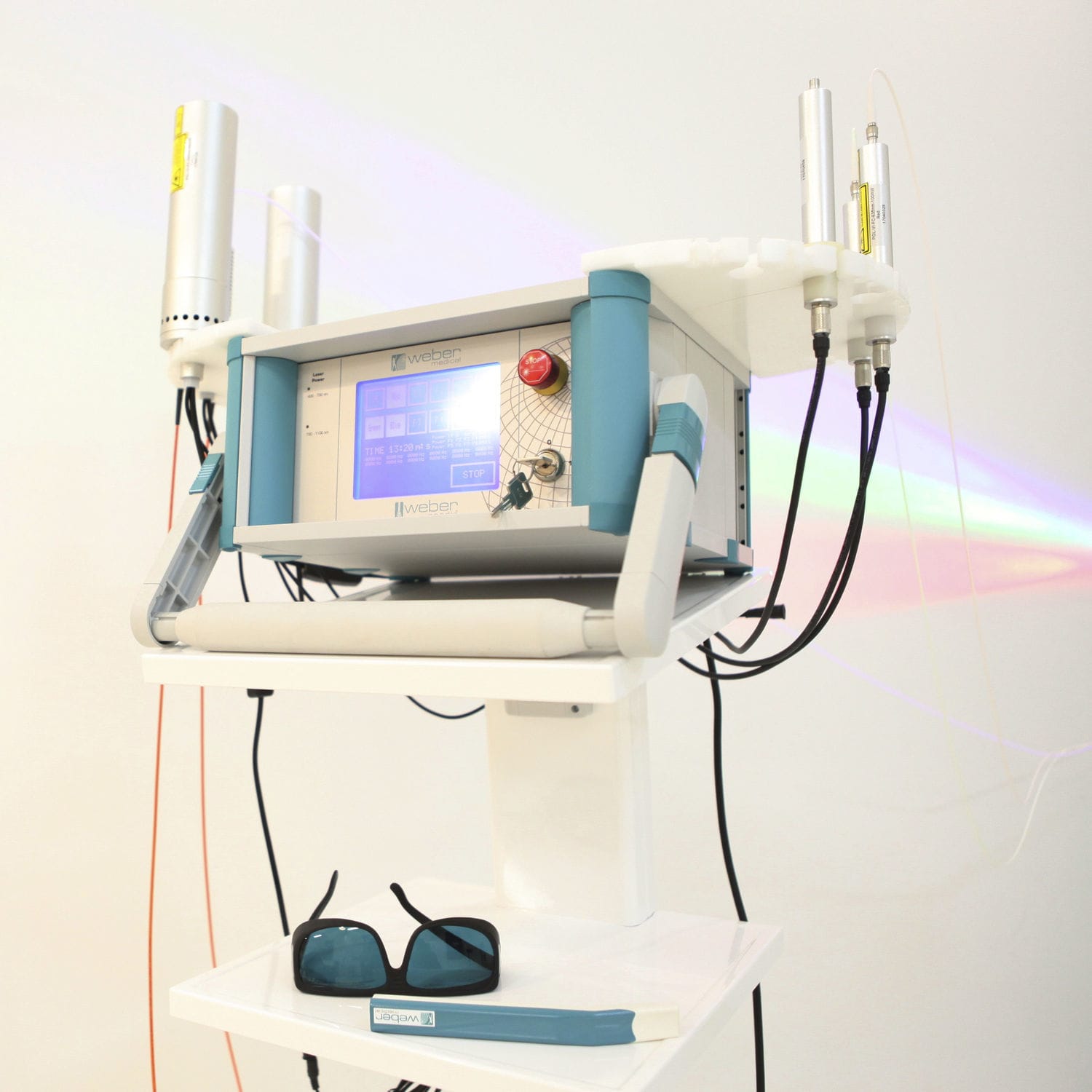
Harness the Power of Light
Discover the Healing Benefits of Low-Level Light Therapy at Smilebody
Book Your consultation Now!What is Low-Level Light Therapy?
Low-Level Light Therapy (LLLT), or photobiomodulation, is a non-invasive treatment that uses specific wavelengths of light to stimulate cellular function and promote healing. This therapy harnesses the power of light to enhance your body's natural processes, offering a safe and effective way to address various medical conditions.
How Does Low-Level Light Therapy Work?
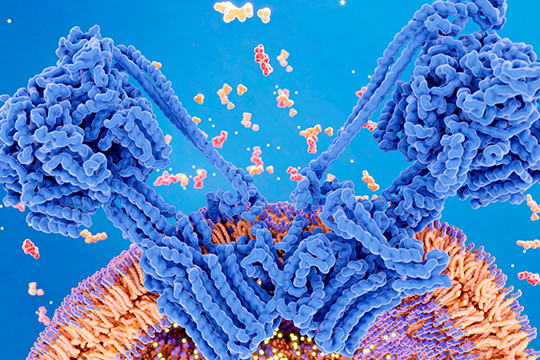
Targeting the Mitochondria:
LLLT works by targeting the mitochondria within cells, often referred to as the powerhouses of the cell.

Absorption of Light Energy:
The mitochondria absorb the specific wavelengths of light used in LLLT, which initiates a series of cellular processes.
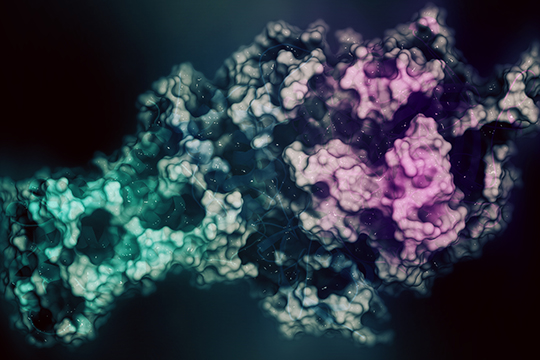
Increase in ATP Production:
This absorption of light energy leads to an increase in the production of adenosine triphosphate (ATP), the energy currency of the cell. ATP is essential for powering numerous cellular processes, including muscle contraction, nerve impulse propagation, and biosynthesis.

Enhanced Cellular Function and Healing:
By boosting ATP production, LLLT enhances cellular function, improves circulation, and reduces inflammation, thereby facilitating the body's natural healing mechanisms.
LLT works by targeting the mitochondria within cells, which are often referred to as the powerhouses of the cell. The mitochondria absorb the light energy, leading to an increase in the production of adenosine triphosphate (ATP). ATP is the energy currency of the cell, essential for powering numerous cellular processes including muscle contraction, nerve impulse propagation, and biosynthesis. By boosting ATP production, LLLT enhances cellular function, improves circulation, and reduces inflammation, facilitating the body's natural healing mechanisms.
Dr. Ben Javid Explains the Benefits of Low-Level Light Therapy (Photobiomodulation)
Low-level light therapy, or photobiomodulation, uses specific light wavelengths to stimulate cellular function and promote healing by boosting ATP production. ATP, the cell's "energy currency," powers processes like muscle contraction and biosynthesis, while also improving circulation and reducing inflammation. Its non-invasive nature and reliance on natural healing mechanisms make it a promising option for various medical conditions.
Schedule An AppointmentWhat Conditions Does Low-Level Light Therapy Treat?
Low-Level Light Therapy is a versatile treatment with a wide range of applications. It has been shown to be effective in treating various conditions, including but not limited to:
- Chronic pain and inflammation
- Arthritis and joint disorders
- Muscle injuries and sprains
- Nerve injuries and neuropathy
- Wound healing and tissue repair
- Skin conditions like acne and psoriasis
- Hair loss and alopecia
- Post-surgical recovery
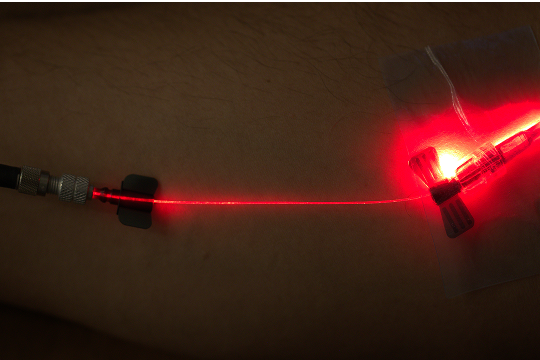
Red Laser (≈ 630–660 nm)
- Action: Stimulates mitochondrial activity and ATP production through activation of cytochrome c oxidase.
- Benefits: Increases cellular energy, improves oxygen utilization, enhances circulation, and accelerates tissue repair.
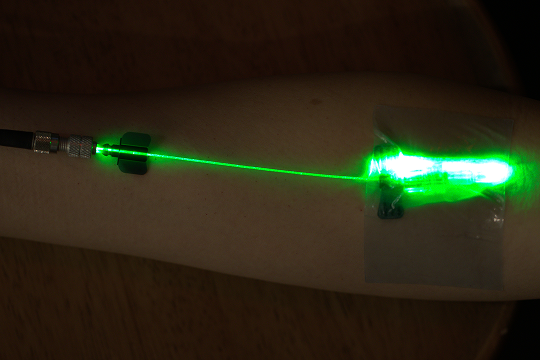
Green Laser (≈ 532 nm)
- Action: Influences blood viscosity and microcirculation, helping red blood cells move more freely.
- Benefits: Improves blood rheology, reduces platelet aggregation (clumping), supports vascular health, and promotes detoxification.

Blue Laser (≈ 405 nm)
- Action: Strong antimicrobial wavelength with effects on bacteria, viruses, and fungi.
- Benefits: Reduces systemic microbial load, supports immune defense, decreases chronic inflammation, and may help with infections or dysbiosis.
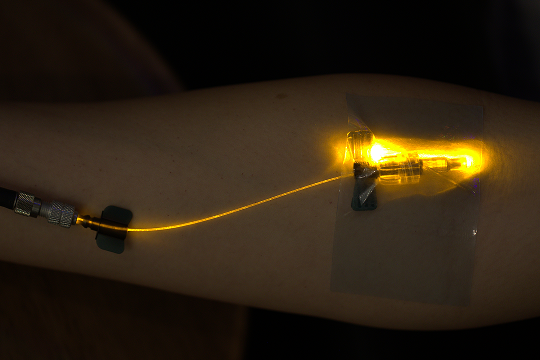
Yellow Laser (≈ 589 nm)
- Action: Affects neurohormonal pathways and stress-regulating systems.
- Benefits: Balances mood and mental focus, supports neurotransmitter activity, reduces stress, and may enhance cognitive performance.
Infrared Laser (≈ 810–904 nm)
- Action: Penetrates deepest into tissues; modulates nitric oxide pathways and mitochondrial enzymes.
- Benefits: Improves microcirculation, reduces chronic pain, decreases oxidative stress, and supports deep tissue repair and regeneration.
What Are the Benefits of Low-Level Light Therapy?
LLLT offers numerous benefits, making it an attractive option for those seeking natural and non-invasive treatments:
Non-Invasive
LLLT is a painless procedure that does not require surgery or needles.
Reduced Inflammation
LLLT helps to reduce inflammation, which can alleviate pain and improve mobility.
Improved Circulation
Enhanced blood flow facilitates better oxygen and nutrient delivery to tissues, promoting faster recovery and overall health.
Natural Healing
By enhancing cellular function and boosting ATP production, LLLT supports your body's natural healing processes.

Frequently Asked Questions
Cellular Therapy involves using cells to treat or prevent diseases or conditions. Stem cells have the unique ability to develop into different types of cells in the body, making them valuable for repairing damaged tissues and organs.
Cells can be obtained from various sources, including bone marrow, adipose tissue (fat), umbilical cord blood, and embryonic tissues. Each source has its advantages and potential applications.
Cellular Therapy shows promise in treating a wide range of conditions, including orthopedic injuries, cardiovascular diseases, neurodegenerative disorders, autoimmune diseases, and chronic pain conditions.
When performed by qualified medical professionals in regulated Cellular Therapy is generally considered safe. However, like any medical procedure, it carries some risks, including infection, allergic reactions, and potential tumor formation.
The effectiveness of Cellular Therapy varies depending on the condition being treated, the type of cells used, and individual patient factors. While some patients experience significant improvement, others may see more modest results.
The regulatory status of Cellular Therapy varies by country and jurisdiction. In many cases, Cellular Therapy are still considered experimental and may not have full approval from regulatory agencies like the FDA..
Cellular Therapy can be administered through various methods, including injections, infusions, and surgical implantation, depending on the condition being treated and the type of cells used.
In many cases, Cellular Therapy is not covered by insurance because it is considered experimental or investigational. However, coverage policies vary among insurance providers and may change over time.
The timeframe for seeing results from Cellular Therapy varies depending on the condition being treated, the severity of the condition, and individual patient factors. Some patients may experience improvement within weeks, while others may require several months.
Depending on the type of therapy and the condition being treated, your healthcare provider may recommend certain lifestyle changes or precautions to optimize the effectiveness of treatment and minimize risks.
While Cellular Therapy has shown promise in treating certain diseases and conditions, it is not always a cure. In many cases, it can help manage symptoms, slow disease progression, or improve quality of life.
The cost of Cellular Therapy can vary significantly, To gain a clearer understanding of the potential costs involved and to receive personalized information tailored to your needs, we encourage you to schedule a consultation with one of our experts. During this consultation, our team will provide comprehensive information regarding treatment options, associated costs, and any available financing or insurance options.
Yes, you can receive treatment even if you don’t live in California. We have treated numerous patients from around the globe who have traveled to us seeking our expertise in stem cell therapy. Distance is not a barrier to receiving treatment at our facility. We welcome patients from all over the world and can assist you with travel arrangements and accommodation options to ensure a smooth and convenient experience during your treatment journey with us. Please feel free to reach out to us to discuss your specific needs and explore how we can assist you in receiving the care you deserve, regardless of your location.
Stem cells are like the architects of our body’s construction site, possessing an extraordinary versatility that sets them apart from other cell types. Imagine them as the master builders, capable of transforming into a myriad of specialized cell types based on the body’s needs. This remarkable adaptability enables them to serve as the foundation upon which our tissues and organs are constructed. In times of injury or illness, stem cells act as our body’s natural repair crew, swooping in to mend damaged tissues and replenish depleted cells. They possess the remarkable ability to divide and differentiate into specific cell types, such as muscle, bone, nerve, or skin cells, to facilitate healing and restoration. This regenerative prowess lies at the heart of their importance in medical science, offering promising avenues for treating a wide array of conditions, from degenerative diseases to traumatic injuries.
Tap the button below to schedule a consultation with us to discover the revolutionary solutions Smilebody has to offer.
Schedule An AppointmentWhy Choose Us?
Choosing Smilebody for your holistic dental and medical needs means selecting a combination of expertise, convenience, and specialized care. Check out our reviews and give us a call today to schedule your consultation. We can’t wait to see you smile!
Michelle B.

Smilebody is awesome. The entire team including Dr. Shawn, Linda and the entire team truly care about patient care. The follow-up process is top notch. In great hands with Promenade.
Emily K.
Just moved to Los Angeles and decided to try out Smilebody and they were so kind, thoughtful and everyone I met was great at what they did. They listened to my concerns and took the time to address them so I was comfortable. Great experience!!
Sharon M.
Wonderful experience from the appointment time, the staff was amazing. The professionalism, the knowledge, I can’t say enough about this place. It appears now that I have found my new dental, family!
Sam G.
Smilebody is the best dental office I have every been too in my whole life. From the receptionist to dental assistants and the dentist…. They are all very nice and do a great job with a smile.
Daniel P.
From some bad experiences at the dentist umteen years ago, I always tend to be a little nervous. Thanks to the doctors, hygienists and staff at Promenade, I’m getting over that in my old age. They’re terrific!